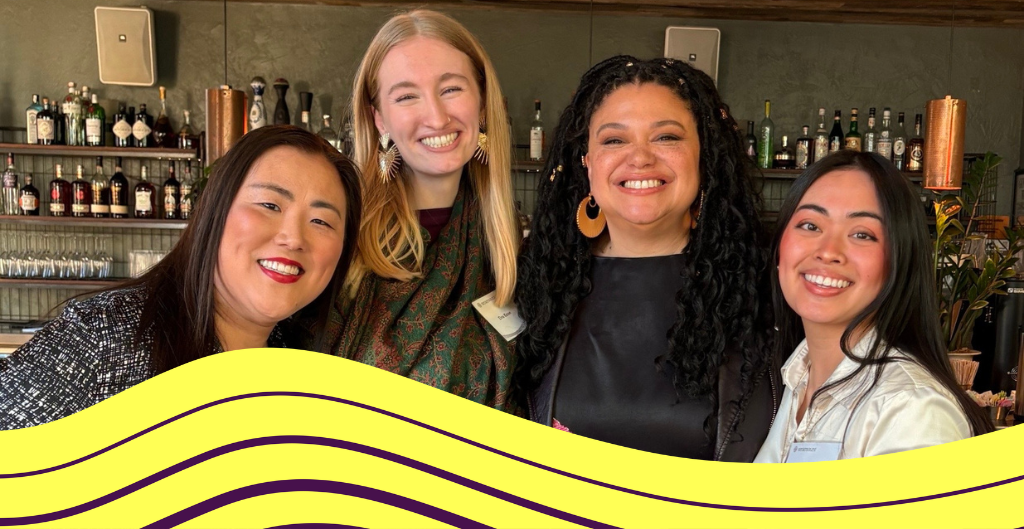
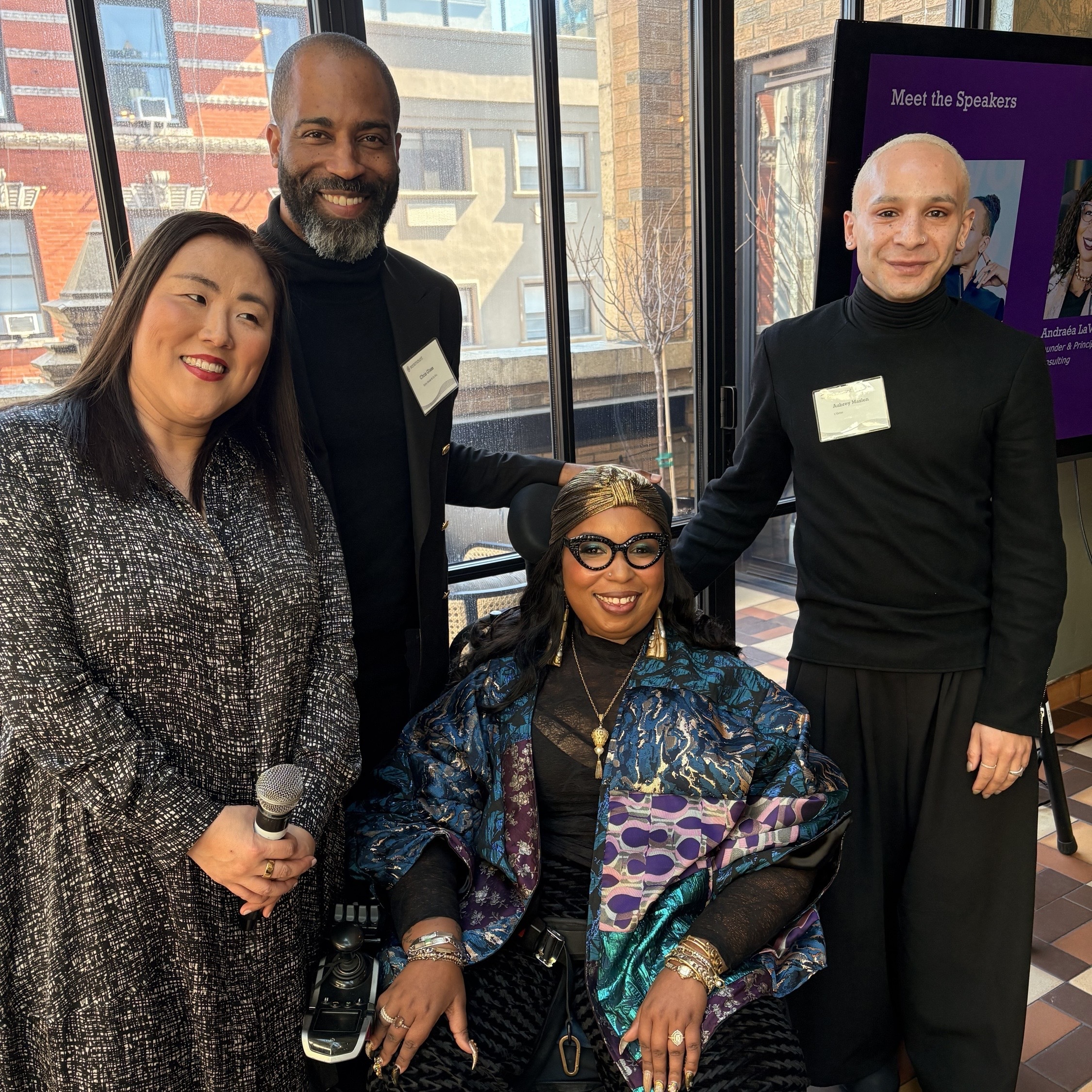
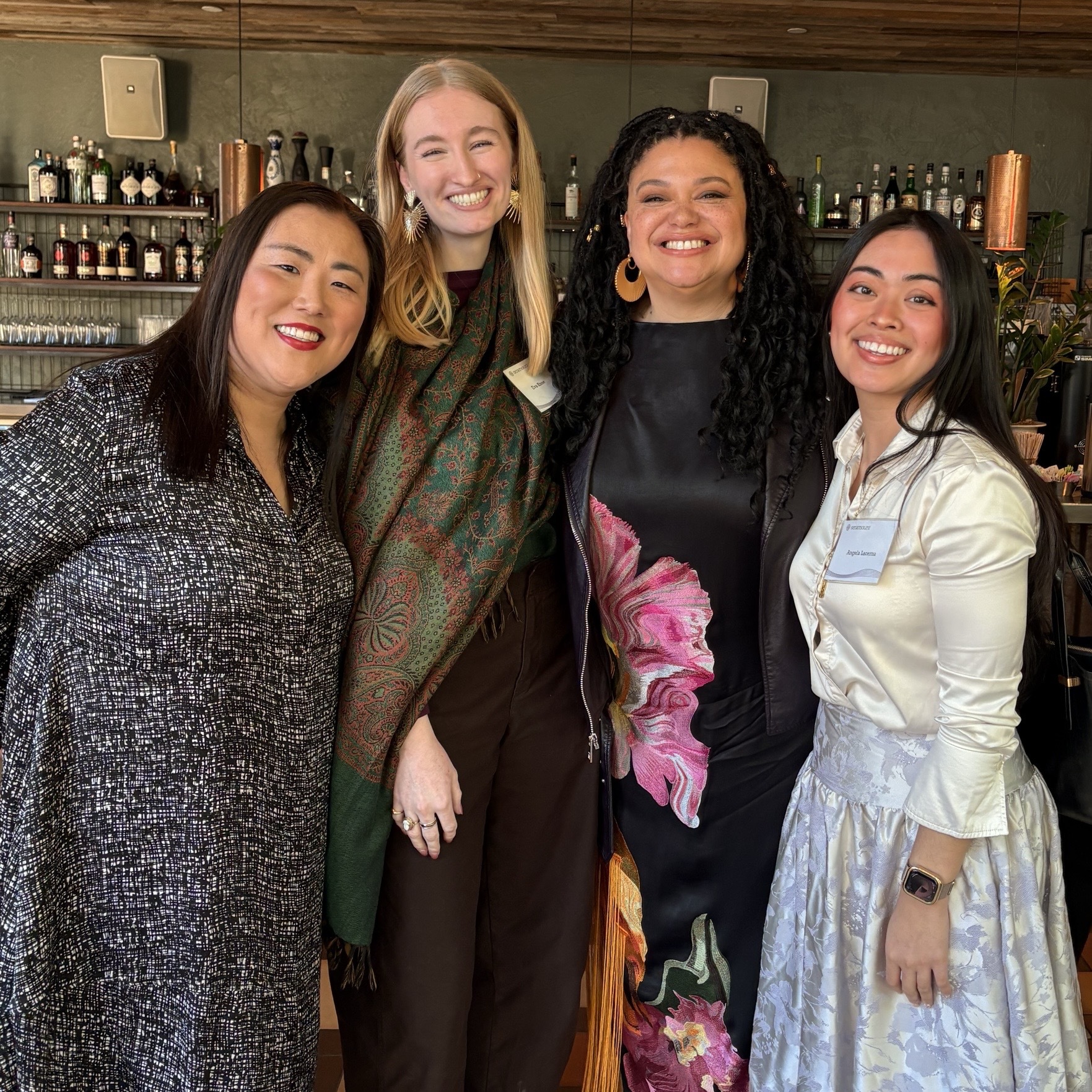
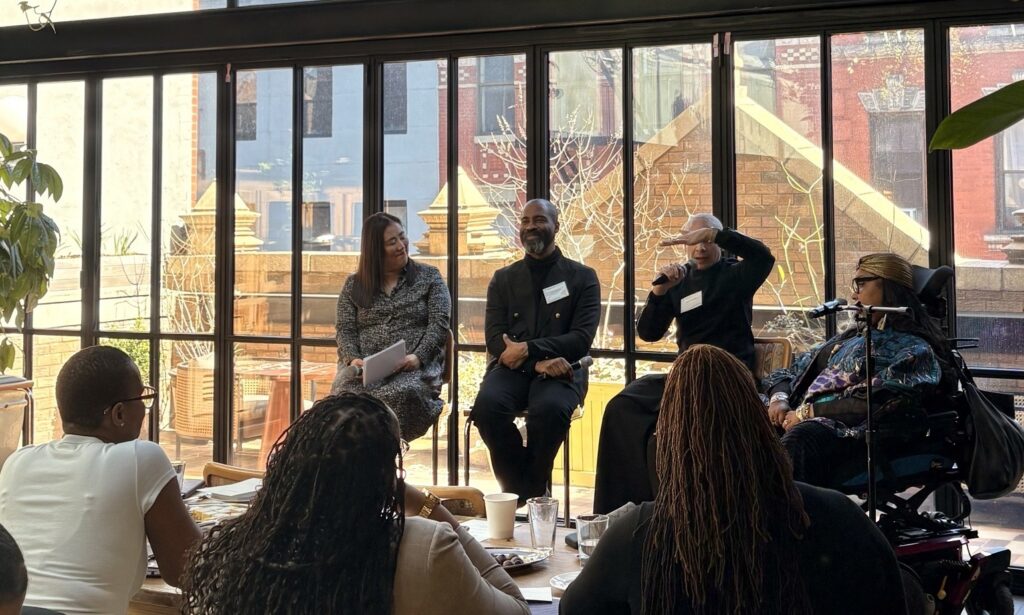
At Seramount’s recent Culture Fuels Creativity event, cohosted with Soho House in New York, leaders across retail, beauty, hospitality, and entertainment aligned on a critical shift: Inclusion is no longer just about what organizations say or do internally; it is about what people, both workforce and consumers, experience.
Yet many organizations remain stuck in an earlier model—one that prioritizes inclusive campaigns over inclusive consistency, which is frequently performative, and one that views inclusivity as a final step of a process. A single inclusive advertisement or statement cannot compensate for exclusionary experiences in-store, online, or in the workplace.
The bottom line: Inclusion is no longer a brand differentiator; it is a baseline expectation. Leaders across industries must move beyond representation in messaging to embedding inclusion into the design of products, spaces, and experiences. Organizations that operationalize inclusion will earn trust, loyalty, and long-term growth.
Customer-Centric Inclusion
Culture Fuels Creativity opened with a fireside conversation on customer-centric inclusion, grounded in the perspective of Michelle Buteau, a comedian, actor, producer, and creator who is navigating the power of entertainment, and inclusion within entertainment, at scale.
The discussion underscored a tension many organizations face: the pressure to appeal broadly while staying authentic and accountable. Inclusion, in this context, is not about neutrality; it is about intentionality.
Buteau framed storytelling and narrative as powerful tools for cultural influence. But with that influence comes responsibility to make sure brands and their culture reflect everybody. Choosing what stories to tell, and how to tell them, shapes who feels seen, respected, and valued.
For organizations, the parallel is clear: Brand voice, marketing, and content strategy must reflect not only creativity, but credibility and intentionality.
From Insight to Action: What the Data Signals About Inclusion Today
The Seramount insights session grounded the day in market realities: Inclusion is not just a cultural expectation, but it is a driver of trust, loyalty, and consumer choice. Leaders discussed how quickly expectations are evolving. Consumers are more attuned to gaps between what companies say and what they deliver. And we know this impacts organizations both internally and externally, as employees are making similar evaluations.
87% of U.S. Hispanic/Latine consumers surveyed said companies that make a sincere effort to be part of or invest in their community deserve their loyalty.
Asian American, Native Hawaiian, and Pacific Islander consumers report they will stop buying from brands that devalue their identity group at a rate of 64%.
Black consumers are up to 2.3x more likely than non-Black consumers to switch to a Black-owned apparel or footwear brand.
This creates both risk and opportunity. Organizations that fail to adapt lose relevance, but those that lead with authenticity and consistency gain competitive advantage. The takeaway was not to move faster, but to move more intentionally. Inclusion efforts must be connected to business strategy, not treated as separate initiatives.
Designing for Belonging: Inclusion Across the Consumer Experience
The panel of leaders brought these ideas around inclusive design into sharper focus. Our panelists came with both in-house and external experience across industries. They emphasized that inclusion is shaped through thousands of small decisions, many of which happen long before a product or campaign reaches the public. From product formulation to digital accessibility to in-person service, every touchpoint signals who belongs.
A key theme was the importance of designing with, not for, diverse communities. This requires asking a fundamental question early in any process: Who is missing? Panelists shared examples of organizations embedding inclusion into the full lifecycle, from objective-setting to execution, rather than retrofitting solutions after gaps emerge.
Another critical shift discussed was moving from accommodation to anticipation. Instead of waiting for feedback or backlash, leading organizations proactively design for a broader range of needs, including cognitive, sensory, cultural, and linguistic differences.
These approaches are not just more equitable. They are more effective.
Global Reach with Local Relevance
For global organizations, inclusion introduces additional complexity. Strategies must scale across markets while remaining locally relevant.
Panelists highlighted the importance of balancing consistency with flexibility. A single global campaign cannot account for cultural nuance, accessibility needs, or consumer expectations in every region. Instead, organizations must build systems that allow for localization without losing brand integrity. This requires both trust and structure—clear principles paired with empowered local teams.
When done well, this approach strengthens both global cohesion and local connection.
Technology, Trust, and the Future of Inclusion
The conversation also turned to emerging challenges, particularly the role of AI in shaping consumer experiences. Speakers raised concerns about bias in AI systems and the risk of reinforcing existing inequities if diverse perspectives are not included in development.
At the same time, organizations are making deliberate choices about how to use these tools responsibly, balancing innovation with ethics, particularly when it comes to representation.
The message was clear: Technology will either accelerate inclusion efforts or amplify their gaps. The difference lies in who is building, testing, and governing these systems.
Authenticity, Leadership & the Long Game
The closing conversations brought the focus back to leadership and lived experience.
Speakers reflected on the personal dimensions of inclusion work: the emotional labor, the need for resilience, and the importance of community. They also emphasized the power of authenticity: the ability to show up fully, take up space, and challenge norms when necessary.
For leaders, this translates into a different kind of responsibility. Inclusion is not only about strategy, but also about behavior—how leaders listen, respond, and create space for others. It also requires consistency. As participants heard throughout the day, organizations are judged not by singular moments, but by patterns over time.
Inclusion, ultimately, is cumulative.
The Path Forward
Across every session, one idea surfaced repeatedly: People do not experience inclusion as a statement. They experience it as a series of interactions: 1) A product that works for them, 2) A space where they feel welcome, and 3) A story that reflects their reality.
Organizations that recognize this shift and design their products and services accordingly are not only advancing equity, but they are also building stronger, more resilient relationships with the communities they serve. Inclusion fuels not just creativity but growth.
Action items for consideration:
Audit one core customer or user journey for exclusion points, then translate those insights into product or experience changes.
Embed inclusion checkpoints into development processes to anticipate needs of your consumers.
Map representation across decision-makers within every step of the design process.
Interested in learning more about how Seramount can help?
Eva is an Associate Director of Partner Development, responsible for helping new partner organizations unlock the value of Seramount’s DEI research and apply it to drive success within their organizations. She brings extensive experience in ERG leadership, DEI curriculum development and facilitation, and team culture building within large, matrixed organizations.
Eva is an Associate Director of Partner Development, responsible for helping new partner organizations unlock the value of Seramount’s DEI research and apply it to drive success within their organizations. She brings extensive experience in ERG leadership, DEI curriculum development and facilitation, and team culture building within large, matrixed organizations.
Before joining Seramount, Eva worked with pharmaceutical and medical device companies to address strategic issues such as health equity, AI in healthcare, leadership adaptiveness, and policy implications. She supported this work through consultative relationships and data-driven research.
Outside of work, Eva enjoys traveling—most recently exploring the beauty and traditions of Sri Lanka. She is also an avid supporter of the NY film scene, actively involved in Brooklyn’s cat fostering community, and the proud caretaker of her (too) many plants.